

Follow Us On:




Posted On: June 25, 2026
DC Overlay District Rules for Permits in DC: What Every Builder and Developer Needs to Know
Washington DC's zoning code does not stop at base zones. Every builder and developer working in the District must account for overlay districts — supplemental zoning regulations that compound base zoning with requirements a standard permit process never flags. Miss one overlay rule and your project stalls. Getting permits in DC without understanding overlays costs time, money, and approval cycles you cannot recover. For commercial teams, overlay review is one of the most important parts of planning permits in DC from the start.
What Is a DC Overlay District?
An overlay district is a secondary zoning layer the DC Zoning Commission applies to specific geographic areas. It does not replace base zoning — it compounds it. A property zoned MU-4 can also fall inside a Historic Preservation Overlay, an Arts Overlay, or a Gateway Overlay. Each imposes its own requirements on top of whatever the base zone already demands.
DC has over 30 active overlay districts covering historic corridors, arts zones, commercial gateways, and neighborhood transition areas. The DC Office of Zoning maintains the official zoning map at dcoz.dc.gov. Checking it before any project begins is mandatory, not optional, because permits in DC can be delayed when an overlay is discovered too late.
How Overlay Districts Affect Your Permits in DC
Overlay districts change what you can build, how it must look, and which agencies must approve your plans before DCRA issues a building permit. Common overlay requirements include:
- Design review by the Historic Preservation Review Board or Old Georgetown Board
- Ground-floor use restrictions prohibiting retail-to-residential conversion at street level
- Facade material specifications banning certain modern materials in historic contexts
- Parking minimums or maximums that differ from base zone standards
- Height caps more restrictive than federal Height of Buildings Act limits
None of these appear automatically on a standard permit application form. You must know the overlay exists, understand what it requires, and build those requirements into your plans before submission. That is why successful permits in DC often begin with overlay screening before drawings are finalised.
Types of Overlay Districts in Washington DC
Historic Preservation Overlays cover Georgetown, Capitol Hill, Cleveland Park, and other designated neighbourhoods. Buildings in these zones require HPRB or OGB review before permits are issued.
Commercial and Gateway Overlays target corridors including Georgia Avenue, Pennsylvania Avenue SE, and Capitol Gateway. These overlays enforce streetscape continuity and commercial use patterns.
Arts and Cultural Overlays — including the H Street NE/Bladensburg Road Overlay — protect ground-floor arts and retail uses from residential displacement.
Special Purpose Overlays govern areas like the Southwest Waterfront and NoMa/Union Station, addressing density, transit access, and mixed-use balance.
For developers seeking permits in DC, the important point is that each overlay can add a separate review path, even when the base zone appears to allow the project.
Case Study 1: H Street NE Arts Overlay — 26-Week Delay
A developer submitted plans for a five-story mixed-use building at 1340 H Street NE. Base zoning approved the residential-over-retail design without issue. The oversight: the H Street NE/Bladensburg Road Arts Overlay requires ground-floor commercial space to remain in active retail or arts use, and prohibits residential conversion at street level without a variance.
DCRA flagged the conflict during review. The applicant had to redesign the ground floor, refile plans, and re-enter the queue. Commercial permitting services firms experienced with H Street's overlay catch this conflict in the first document review. This developer had no such support at submission. Total delay: 26 weeks. For similar permits in DC, an early overlay check can prevent this type of redesign cycle.
Case Study 2: Georgetown OGB Rejection — 8-Month Setback
A property owner at 3276 M Street NW submitted a commercial renovation permit for shopfront upgrades, including aluminum-frame windows. Georgetown falls under both the HP-1 Historic Overlay and the Old Georgetown Act, requiring Old Georgetown Board review of all exterior changes.
The OGB rejected the permit. Aluminum frames do not meet the district's historic character guidelines, which require wood or steel windows on contributing structures. The owner spent eight months in redesign, materials review, and resubmission before DCRA issued the permit. A permit expediter in DC with OGB experience would have flagged the materials issue before plans were drafted. In historic districts, permits in DC depend as much on material compliance as they do on base zoning.
Navigating Commercial Permitting Services in DC Overlay Zones
Commercial projects in overlay districts face a compounded review process. DCRA handles the building permit, but overlay-specific bodies – HPRB, OGB, and the Board of Zoning Adjustment – hold separate approval authority on independent schedules. HPRB meets monthly. OGB meets approximately six times per year. Miss a meeting cycle and you wait 30 to 60 days automatically.
Commercial permitting services in DC map these parallel tracks. They identify which boards must approve your project, prepare agency-specific documentation, and coordinate submission timing to avoid calendar gaps. For overlay projects, this coordination cuts a 300-day permit process down to 90. When timelines matter, coordinated permits in DC management can protect the project schedule.
Why a Permit Expediter in DC Matters for Overlay Projects
DCRA processes thousands of permit applications annually. Standard reviewers check base zoning compliance. Overlay conflicts surface only when a specialist flags them during pre-application review.
A permit expediter in DC working in overlay zones does four things standard applicants cannot:
- Runs a property against all active overlays before plans are finalized
- Identifies which supplemental approvals the project requires
- Submits to overlay review bodies on the correct schedule
- Tracks applications across DCRA and supplemental agencies simultaneously
For commercial developers, this expertise cuts average permit timelines by 30 to 40 percent on overlay projects, according to data from DC-based permitting consultants. For complex permits in DC, that can mean the difference between a predictable approval path and months of avoidable rework.
Frequently Asked Questions
Q1: How do I find out if my property is in a DC overlay district?
Check the DC Office of Zoning's interactive map at dcoz.dc.gov. Enter your address and the tool displays all applicable base zones and overlay districts. If you see multiple zone designations, each applies independently. Cross-reference with the ArcGIS zoning map before applying for permits in DC.
Q2: Do overlay districts apply to interior renovations?
Generally no. Most overlay requirements govern exterior alterations, site design, use changes, and new construction. Interior work that does not change use, occupancy, or exterior appearance falls outside overlay jurisdiction in most cases. Confirm with DCRA before assuming — historic overlays sometimes extend to storefronts and lobbies visible from public space, which can affect permits in DC.
Q3: Can I get a variance from overlay district rules?
Yes, through the Board of Zoning Adjustment. Variances are granted when strict compliance creates an undue hardship — not mere inconvenience. The BZA process requires a public hearing, neighbour notification, and documented hardship evidence. Approval is not guaranteed, and the process adds months to a project timeline for permits in DC.
Q4: Are there fees specific to overlay district reviews?
Yes. HPRB and OGB reviews carry application fees separate from DCRA permit fees. Check the DC Office of Planning's current fee schedule before budgeting for permits in DC.
Q5: What happens if I build without overlay approval?
DCRA can issue a stop-work order, require demolition of non-compliant work, and impose fines. In historic districts, violations trigger additional penalties under the DC Historic Landmark and Historic District Protection Act. Retroactive approval from HPRB or OGB is possible but not guaranteed — and some non-compliant alterations have required full reversal at the owner's expense. For this reason, permits in DC should never be submitted without overlay review.
About Permit Division
Permit Division is a firm based in DC, MD & VA specializing in commercial permitting services, overlay district navigation, and DCRA submissions. The team manages Historic Preservation, Arts Overlay, and Gateway zone projects across all DC wards, with dedicated permit expediter in DC support from application to final issuance.
Start your project without the delays. Contact Permit Division for a free overlay district assessment before you submit for permits in DC.
[→ Get Your Free Permit Assessment Today]
Article Author

Arobit
Blog Admin
Tags
Latest Posts
-
Historic Preservation Review in DC — What HPRB Actually Looks For
-

Certificate of Occupancy — The Permit Everyone Forgets Until It Blocks Move-In
-
ADU Permits in MD & VA: Rules, Restrictions, and Costs for 2026
-
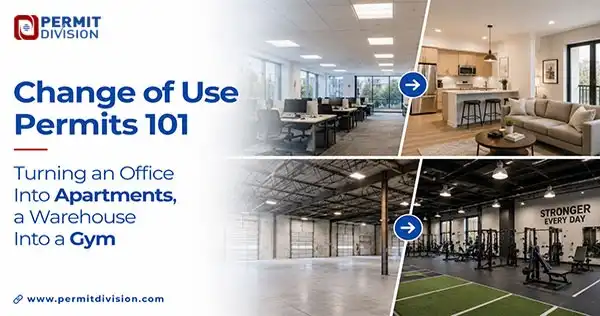
Change of Use Permits 101: Office to Apartments, Warehouse to Gym
-
How Long Does a Restaurant Buildout Permit Actually Take in DC?
Similar Posts
-
Historic Preservation Review in DC — What HPRB Actually Looks For
-
Certificate of Occupancy — The Permit Everyone Forgets Until It Blocks Move-In
-
ADU Permits in MD & VA: Rules, Restrictions, and Costs for 2026
-
Change of Use Permits 101: Office to Apartments, Warehouse to Gym
-
How Long Does a Restaurant Buildout Permit Actually Take in DC?
Copyright 2026 -
permit division. All Rights Reserved.Get Your Free Consultation

